The moment I stepped into the My Son Sanctuary, the ancient stone temples stretched out before me like a living relic of a forgotten era. The intricate carvings and towering spires told stories of a civilization that had once thrived in this part of Vietnam . Da Nang , often overshadowed by its more famous neighbors, holds a great destination of art and history that is waiting to be discovered. Why Da Nang Is ideal for Art and History Lovers # Da Nang is a city that breathes history. From the moment you land, you can feel the weight of the past in the air. The city’s rich cultural mix is woven into its very fabric, and it’s worth visiting for anyone interested in art and history. The My Son Sanctuary is a testament to this, with its well-preserved temples and statues that date back to the 4th century. It’s a place where you can walk in the footsteps of ancient kings and queens, and it’s a must-see for any history buff.
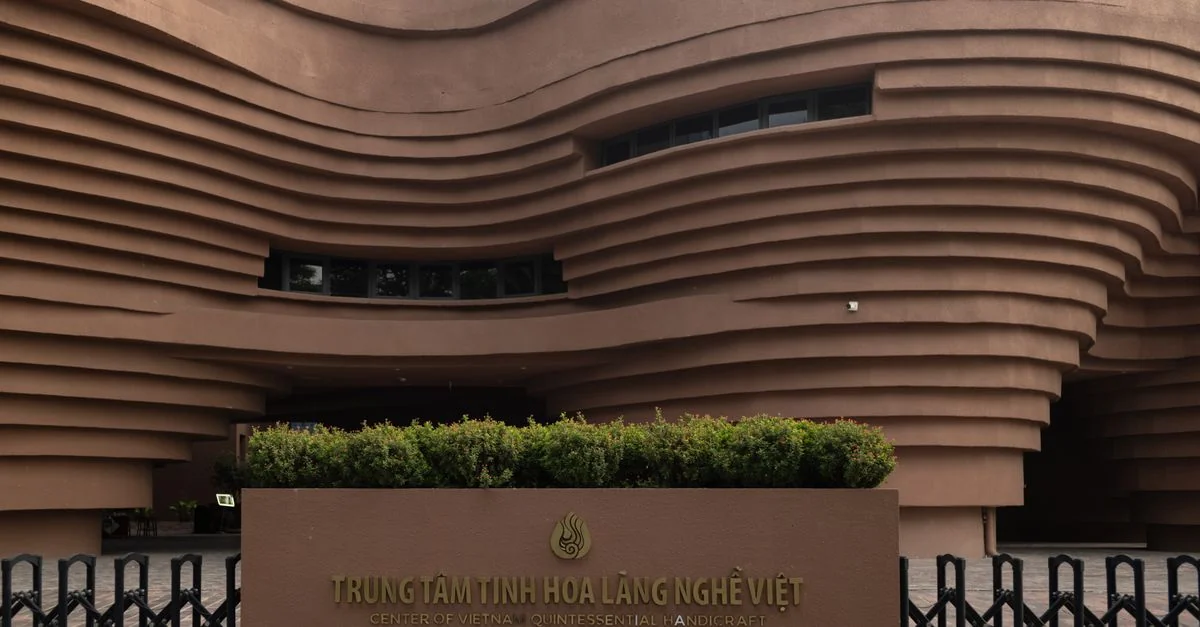
When the wooden puppets strike the water surface at the Thang Long Water Puppet Theater, sending ripples across the pool under the red glow of stage lanterns, you are witnessing an art form rooted in the flooded rice paddies of the Red River Delta from the 11th century. This specific performance tradition uses lacquered wooden figures controlled by bamboo rods and hidden strings beneath the water, narrating agrarian myths and local legends. Exploring Hoàn Kiếm means engaging directly with these enduring creative expressions and historical narratives that define the quarter. Why Hoàn Kiếm Is ideal for Art and History Lovers # Hoàn Kiếm functions as the cultural heart of Hanoi , where centuries-old guild streets intersect with contemporary artistic practices. Painters, ceramicists, and performers draw from a local history deeply tied to the lake and its surrounding French colonial and traditional Vietnamese architecture. Rather than sterile display rooms, the district treats its streets as living galleries where artisan traditions pass down through generations.
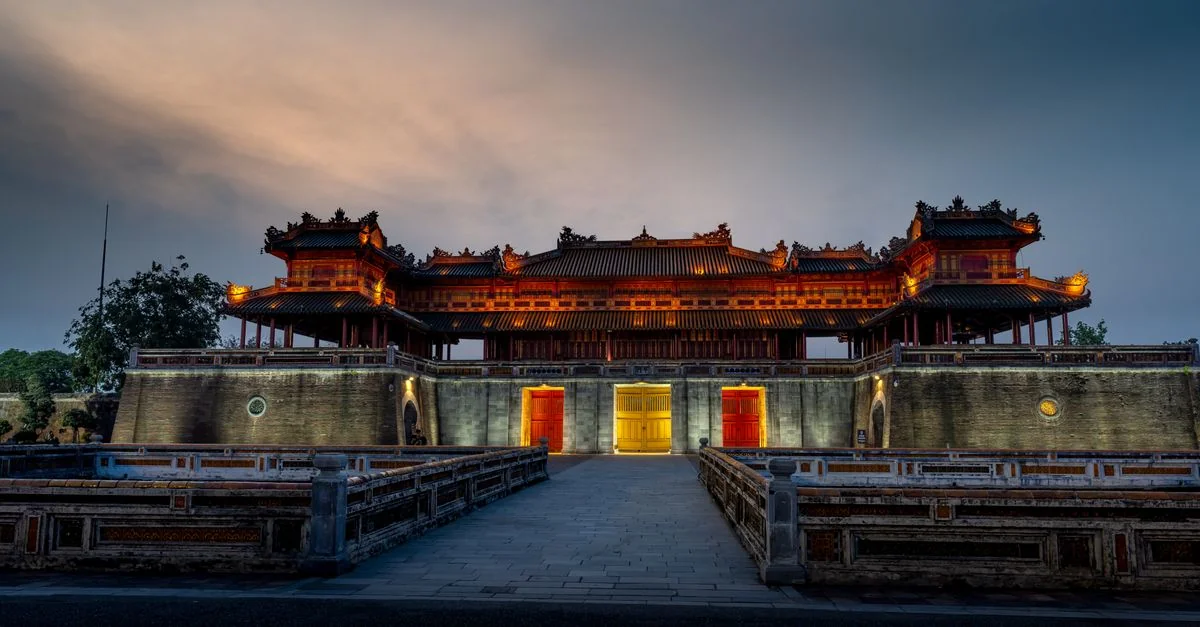
When I stand before the rust-red walls and towering roof tiles of the Temple of Literature, tracing the stone stele carved with the names of 15th-century scholars, I realize that Hanoi ’s artistic heartbeat does not live strictly behind glass cabinets. It exists in the acrid, sweet scent of drying incense sticks and the precise geometry of palm leaves woven into conical hats. As a traveler who judges a destination by its tactile relationship with history, I find that Hanoi demands a slower, more deliberate pace. Why Hanoi Is ideal for Art and History Lovers # Hanoi operates on a sensory frequency that rewards observation. When you walk through the Old Quarter, the architectural layers tell a story of dynastic rule, French colonial planning, and modern Vietnamese resilience. The French colonial villas peeling in ochre paint sit alongside ancient Buddhist pagodas, creating a visual contrast that informs every local craft and artistic medium.