Vouliagmeni's Coastal Culture: An Antiquity-Focused Guide to Attica's Shoreline
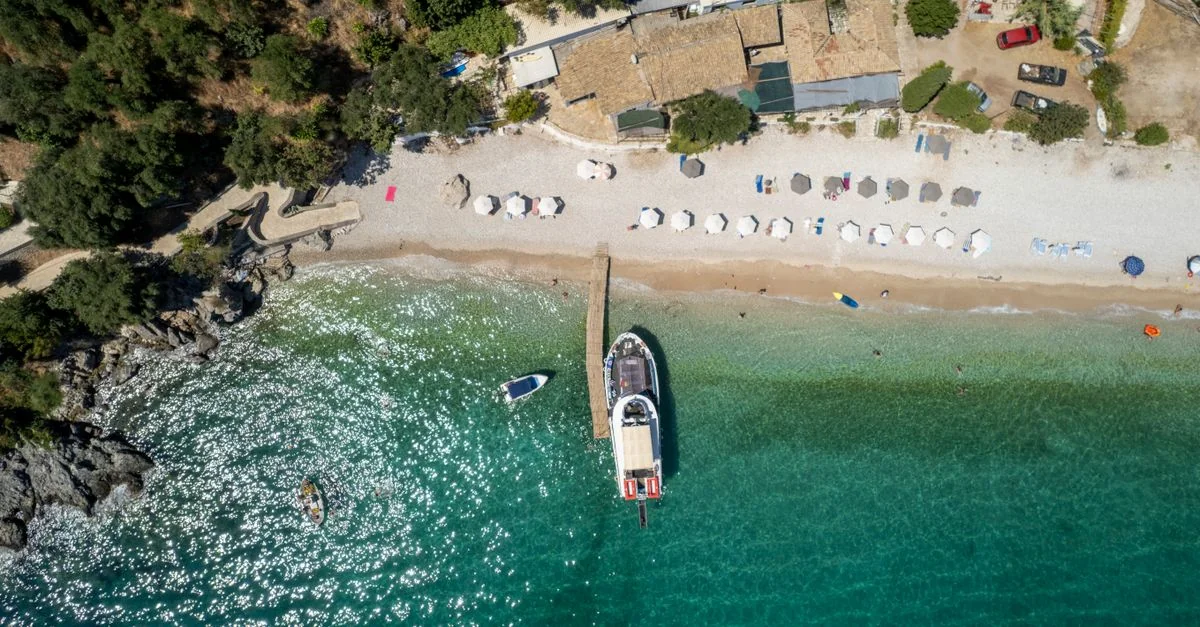
Standing on the limestone cliffs of Vouliagmeni, looking out over the Saronic Gulf where the turquoise waters meet the pine-fringed headlands, it is easy to understand why the ancient Athenians chose this stretch of the Attica coast for their sanctuaries and retreats. While modern visitors often treat Vouliagmeni strictly as a beachside escape for swimming and dining, the coastal suburb serves as an ideal base for exploring the monumental archaeological sites of the Peloponnese. Why Vouliagmeni Is ideal for Art and History Lovers # Vouliagmeni offers a distinct duality for the cultural traveler. Just beneath the surface of its pine-scented air and luxury resorts lies a landscape steeped in classical mythology and ancient engineering feats. The coastline itself bears traces of antiquity, from the sunken ancient town near Lake Vouliagmeni to the remnants of the Temple of Apollo Zoster on Cape Zoster, where ancient travelers once stopped to offer sacrifices to the god before navigating the Aegean.